
There was a time when the value of a diamond was measured solely by the 4Cs: Cut, Color, Clarity, and Carat. But in 2026, a fifth “C” has become just as critical to the modern consumer: Conscience.
As we stand at the intersection of luxury and responsibility, the jewelry industry is facing a reckoning. For decades, the romantic image of a diamond was shadowed by the harsh reality of its extraction—massive open-pit mines, displaced ecosystems, and a carbon footprint heavy enough to weigh down even the most brilliant stone.
Enter lab-grown diamonds. Often hailed as the “future of ethical luxury,” these stones promise the same physical brilliance without the ecological scar. But are they truly better for the planet, or is it just clever marketing?
As industry insiders based in Surat, India—the global hub where 90% of the world’s diamonds are cut and polished—we believe in radical transparency. We see the supply chain from the inside out. In this deep dive, we are peeling back the layers of greenwashing to present the hard data on carbon footprints, water usage, land displacement, and the generational shift driven by Gen Z.
Here is why lab-grown diamonds are not just a trend, but a necessary evolution for a sustainable future.
1. The “Hole in the Ground” Reality: Land Displacemen
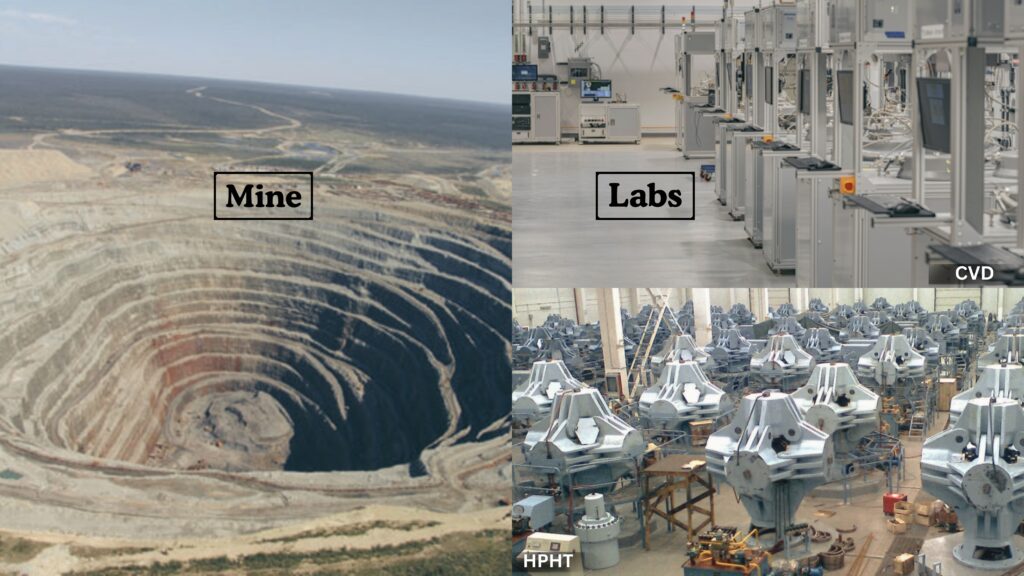
To understand the solution, we must first confront the problem. The most visible impact of traditional diamond mining is land displacement. You cannot extract a stone from the Earth’s mantle without moving the Earth itself.
The Mining Footprint
For every single carat of natural diamond mined, approximately 200 to 250 tons of earth must be blasted, excavated, and processed. This isn’t just moving dirt; it is the complete removal of topsoil, vegetation, and wildlife habitats.
- Ecosystem Collapse: Major mines in regions like Siberia, Canada, and Africa often require the draining of lakes or the rerouting of rivers, permanently altering the local biosphere. In sensitive areas like the marine ecosystems off the coast of Namibia, seabed mining vacuums the ocean floor, disrupting marine life for decades.
- Visible Scars: The “Big Hole” in Kimberley or the Mir Mine in Russia are visible from space—permanent reminders of the earth removed for luxury.
The Lab-Grown Difference
In stark contrast, a lab-grown diamond requires zero excavation.
- Land Usage: A lab facility producing thousands of carats per month might occupy the same physical footprint as a standard warehouse or tech campus.
- Biodiversity Safe: Because production happens in a controlled “clean room” environment (similar to a semiconductor chip factory), there is absolutely no disruption to local flora or fauna. The only thing “growing” is the crystal itself.
The Verdict: If preserving the Earth’s physical surface is your priority, lab-grown diamonds are the undisputed winner.
2. The Carbon Equation: Emissions per Carat
This is the most debated topic in the industry. Critics of lab-grown diamonds often point to their high energy requirements. And they are right—growing a diamond requires immense heat and pressure. However, the source of that energy changes the entire equation.
Mined Diamonds: The Fossil Fuel Heavyweight
Mining is a diesel-thirsty operation. Heavy machinery, dump trucks, crushing plants, and global logistics chains rely heavily on fossil fuels.
- The Stat: On average, mining a natural diamond releases 125 kg to 160 kg of CO2 per polished carat.
Lab-Grown Diamonds: The Renewable Shift
Growing a diamond via CVD (Chemical Vapor Deposition) or HPHT (High Pressure High Temperature) does require electricity. But here is where the distinction between “old tech” and “new tech” matters.
- The “Dirty” Lab: If a lab is powered solely by coal (which was common in early production), the carbon footprint can be as high as 260 kg of CO2 per carat—actually worse than mining. We must be honest about this.
- The “Green” Lab: However, the industry standard has shifted. Labs in India and the US are increasingly powered by solar and wind farms. A solar-powered lab diamond has a carbon footprint of nearly zero (often less than 5 kg per carat).
The Insider Truth: At SHAMBH, we see the supply chain firsthand. The majority of top-tier manufacturing facilities in Surat are installing massive solar infrastructure to ensure that the “sparkle” is powered by the sun, not coal. When you buy, you aren’t just buying a stone; you are buying the energy source behind it.
3. Water: The Invisible Cost of Luxury
Water is our planet’s most precious resource, and traditional mining is notoriously thirsty.
The Thirst of Mining
Mines use vast quantities of water to separate diamonds from the ore and to suppress the massive clouds of dust generated by blasting.
- Usage: It is estimated that 126 gallons (approx. 480 liters) of water are used to mine just one carat of diamond.
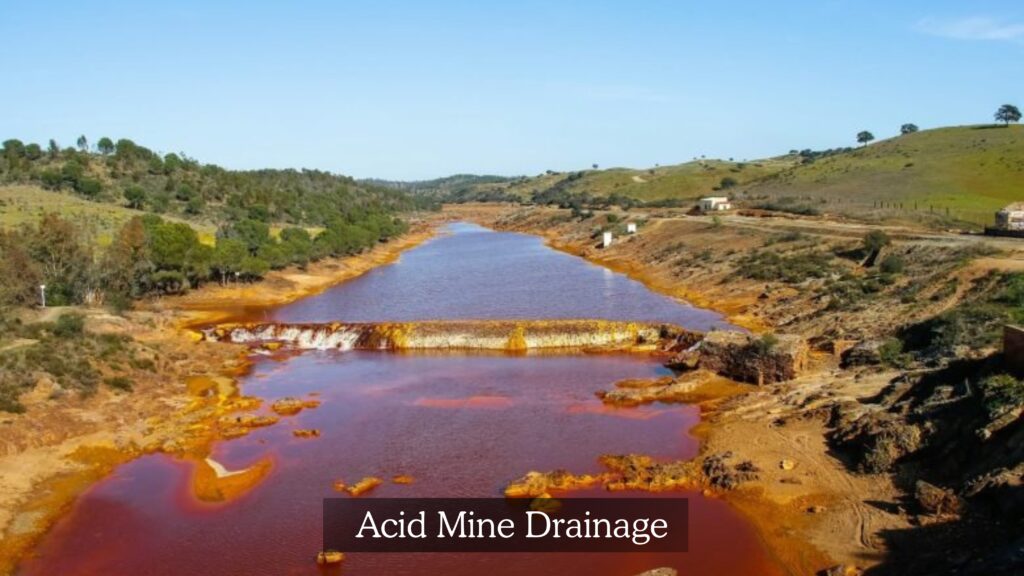
- Pollution Risk: Beyond usage, there is the risk of “Acid Mine Drainage“—where sulfides from excavated rock react with air and water to create sulfuric acid, which can leach into groundwater and poison local water tables.
The Closed-Loop Lab
Lab-grown facilities operate like high-tech greenhouses.
- Usage: Growing a diamond requires roughly 18 gallons (approx. 70 liters) of water per carat—an 85% reduction compared to mining.
- Recycling: Most modern labs utilize closed-loop water cooling systems, meaning the same water is recycled and reused constantly with minimal loss or evaporation. There is zero risk of groundwater contamination because no toxic chemicals are used in the separation process.
4. The Gen Z Verdict: Why the New Generation is Choosing Science over Tradition
Perhaps the strongest indicator that lab-grown diamonds are the future is the demographic driving the sales. Gen Z (born 1997–2012) has fundamentally rejected the old “rarity” marketing of the diamond industry in favor of values-based purchasing.
According to 2025 consumer data, 73% of Gen Z buyers specifically choose lab-grown diamonds for their cost-effectiveness, while 82% cite environmental and ethical factors as a primary decision driver. This generation does not view “lab-grown” as “fake”; they view it as “technologically superior.“
The “Bigger and Better” Mindset
For Gen Z, the appeal is twofold:
- Budget Hacking: They are the “smart money” generation. They realize they can buy a 3-carat lab-grown solitaire for the price of a 0.8-carat mined stone. They prefer to invest the saved money in experiences, travel, or a home deposit rather than a depreciating asset.
- Ethical Flexing: Wearing a lab-grown diamond is a status symbol of awareness. It signals that the wearer is informed about the human and environmental costs of mining and has chosen to opt out.
5. Beyond the Environment: The Human Cost
Sustainability isn’t just about trees and carbon; it’s about people. The term “Ethical Jewelry” encompasses human rights as much as environmental protection.
The Conflict Legacy
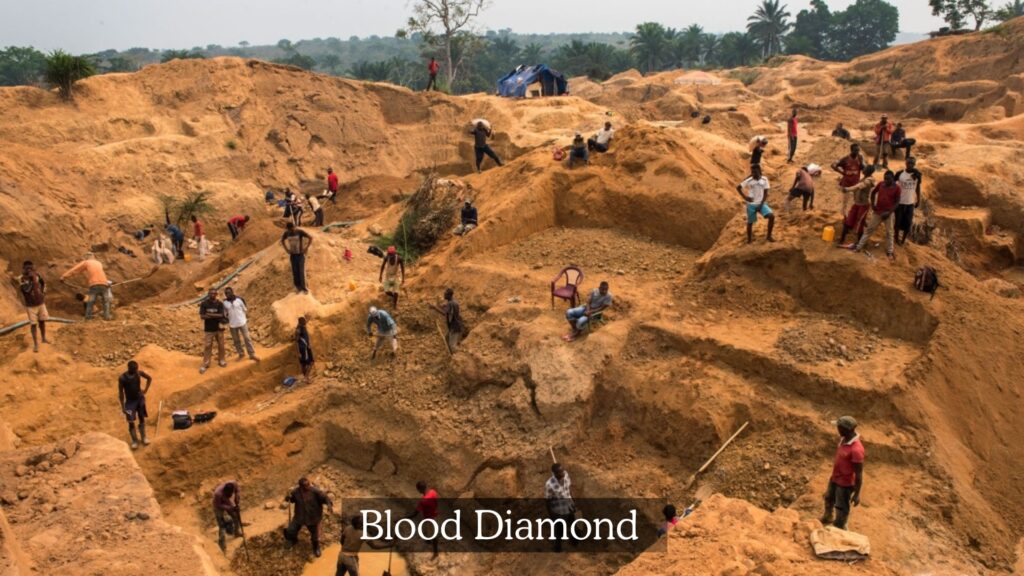
While the Kimberley Process has reduced the flow of “blood diamonds,” it has not eliminated them. Issues of forced labor, unsafe working conditions, and funding for regional conflicts still plague parts of the artisanal mining sector. It is often impossible to trace a natural diamond back to the specific mine of origin once it enters the cutting hubs.
The Guaranteed Conflict-Free Origin
Lab-grown diamonds offer 100% origin traceability.
- Peace of Mind: You know exactly where your stone was created. It was grown by scientists and engineers in a safe, regulated laboratory environment.
- Fair Labor: The lab-grown industry creates high-skill technology jobs (physicists, cutters, polishers) in hubs like Surat, India that pay significantly higher wages than artisanal mining.
When you choose a lab diamond, you are voting for a supply chain that values human dignity.
6. Future Tech: Diamonds from Thin Air (Carbon Capture)
If zero emissions sound good, what about negative emissions? The frontier of lab-grown technology is Carbon Capture Diamonds.
Companies are now utilizing Direct Air Capture (DAC) technology to pull Carbon Dioxide (CO2) pollution directly out of the atmosphere.
- The Process: The captured CO2 is concentrated and turned into methane. This methane is then fed into the CVD diamond reactor as the carbon source.
- The Result: A diamond made literally from the sky. These stones are carbon negative, meaning the production of the diamond actually removes more pollution from the atmosphere than it emits. While this technology is currently a premium niche, it represents the ultimate potential of the industry: turning our climate crisis into something beautiful.
7. The “Resale Value” Myth: Doing the Real Math
One of the most common arguments against lab-grown diamonds is their lower resale value. Critics argue, “A lab diamond is worthless the moment you buy it.” Let’s break down the math honestly.
- The Mined Scenario: You buy a mined diamond ring for $10,000. If you try to sell it 5 years later, you will likely get 30-50% of what you paid (retail markups are high). You get back maybe $4,000. You lost $6,000.
- The Lab Scenario: You buy an identical-looking lab diamond ring for $2,500. Even if the resale value is $0 (which it isn’t, but let’s assume the worst), you lost $2,500.
The Conclusion: You “lost” significantly less money with the lab diamond because you spent significantly less upfront. The smartest financial move is not buying a “Store of Value” gem; it’s keeping that extra $7,500 in your bank, investment, etc from day one.
8. Avoiding “Greenwashing”: What to Look For
Not all lab diamonds are created equal. As the demand for eco-friendly engagement rings rises, so does the marketing hype. How do you ensure your diamond is truly sustainable?
The SCS-007 Certification
This is the gold standard. SCS Global Services offers a “Sustainability Rated Diamond” certification (SCS-007).
- What it measures: It verifies origin traceability, ethical stewardship, climate neutrality (net-zero carbon), and sustainable production practices.
- Why it matters: If a brand claims to be “Carbon Neutral,” ask for the data. Certified diamonds have proven their claims through third-party audits.
The “Renewable Energy” Question
Ask your jeweler: “Is this diamond grown using renewable energy?“ Top-tier retailers and manufacturers will be able to tell you if the lab utilizes solar or wind power. Transparency is the new luxury.

Conclusion: The Clear Choice for the Future
The debate is no longer about whether lab-grown diamonds are “real” (science has settled that—they are). The debate is about legacy.
When you look down at your ring finger, what story do you want that stone to tell? Do you want a story of displacement, fossil fuels, and unknown origins? Or do you want a story of human ingenuity, renewable energy, and a lighter touch on the Earth?
At SHAMBH, we believe that true luxury shouldn’t cost the Earth. Lab-grown diamonds offer a way to celebrate love without compromising your values. They are physically identical, financially smarter, and ethically superior.
In the battle for a better planet, the choice is crystal clear.
Frequently Asked Questions (FAQs)
Q: Do lab-grown diamonds have a carbon footprint?
A: Yes, but it is significantly lower than mined diamonds. A mined diamond emits ~160kg of CO2 per carat, while a renewable-energy lab diamond can emit less than 5kg. Even fossil-fuel-powered labs emit roughly 50% less carbon than mining operations.
Q: Is a lab-grown diamond chemically the same as a mined one?
A: Exactly the same. Both are pure crystallized carbon with a hardness of 10 on the Mohs scale. The only difference is origin.
Q: Do lab diamonds use a lot of water?
A: No. Lab diamonds use roughly 18 gallons of water per carat (recycled in closed loops), whereas mining uses roughly 126 gallons per carat and risks polluting local water sources.
Q: How do I know if my lab diamond is truly eco-friendly?
A: Look for certifications like SCS-007 (Sustainability Rated). Additionally, ask your jeweler if their manufacturing partners use solar or wind energy—a common practice in leading hubs like Surat.
Q: Are lab diamonds “fake” or “synthetic”?
A: No. The Federal Trade Commission (FTC) ruled that lab-grown diamonds are real diamonds. The term “synthetic” is scientifically correct but often misleading to consumers; “lab-grown” or “lab-created” is the accurate industry standard.
Ready to make a conscious choice? Explore our collection of ethically sourced, sustainable lab-grown diamond jewelry. Experience the brilliance that protects our tomorrow.